
The best marketing doesn't just explain a product—it helps people understand its value instantly. That's exactly what Vaseline achieved with one of its most memorable campaigns. Instead of talking about ingredients or product benefits, the brand used powerful visual storytelling to show how Vaseline repairs dry, damaged skin. The result was simple, emotional, and impossible to ignore.
It wasn't just an advertisement.
It was a lesson in how to communicate value without saying too much.
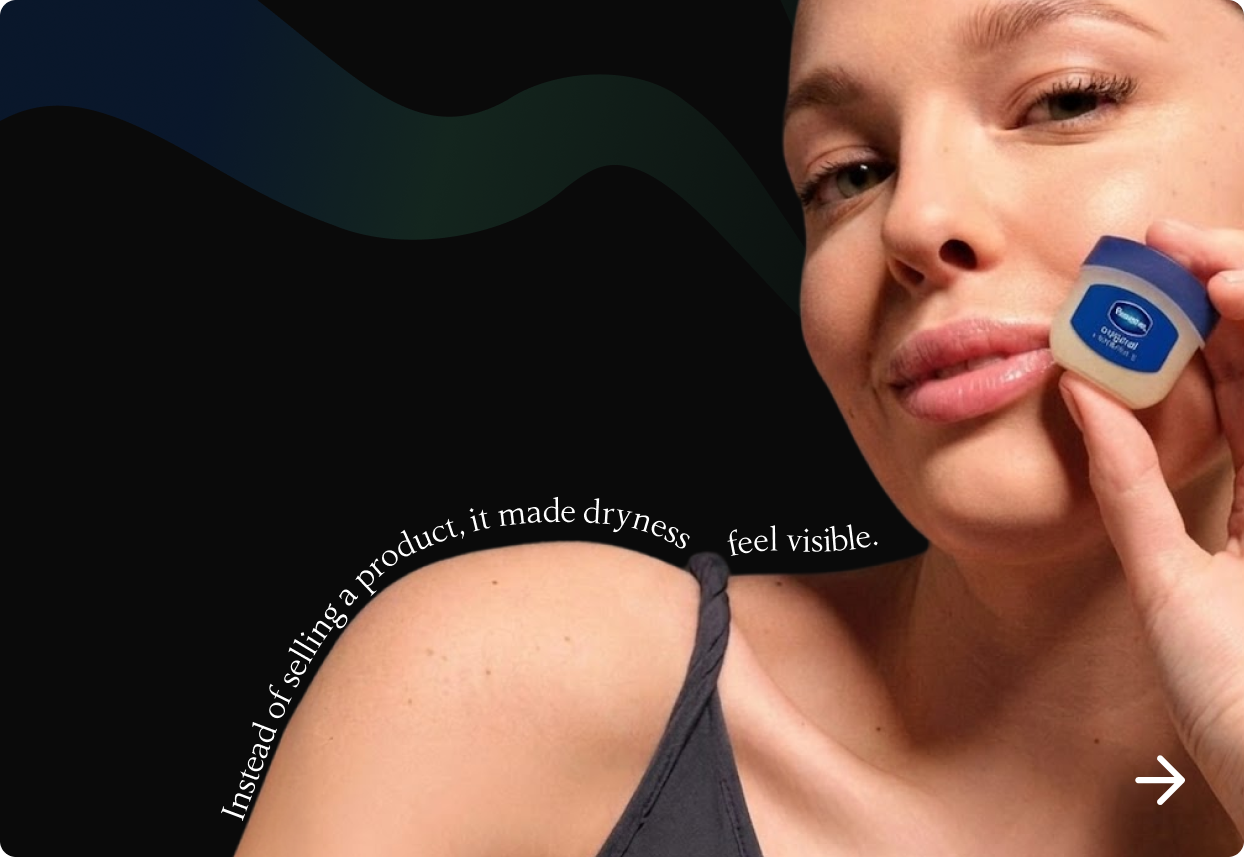
Many brands spend too much time listing features.
But customers don't buy ingredients—they buy outcomes. Vaseline understood this. Instead of explaining how petroleum jelly works, the campaign visualized tiny workers repairing cracks in the skin, instantly communicating healing and protection. Anyone looking at the ad could understand the product's benefit within seconds.
That's the power of visual communication.
The campaign wasn't really about dry skin. It was about...
Comfort.
Confidence.
Care.
Relief.
People connect with emotions far more than product specifications. When a brand taps into a real human experience, it becomes memorable.
Vaseline transformed a simple skincare product into something that represented protection and self-care—making the product feel more valuable than ever.
In a world filled with information overload, simple ideas stand out. The campaign didn't rely on lengthy copy or technical explanations. One strong visual metaphor was enough to tell the entire story.
That's a reminder for every brand: if your customer needs a paragraph to understand your product, your messaging probably needs work.
The best campaigns communicate their value in seconds.
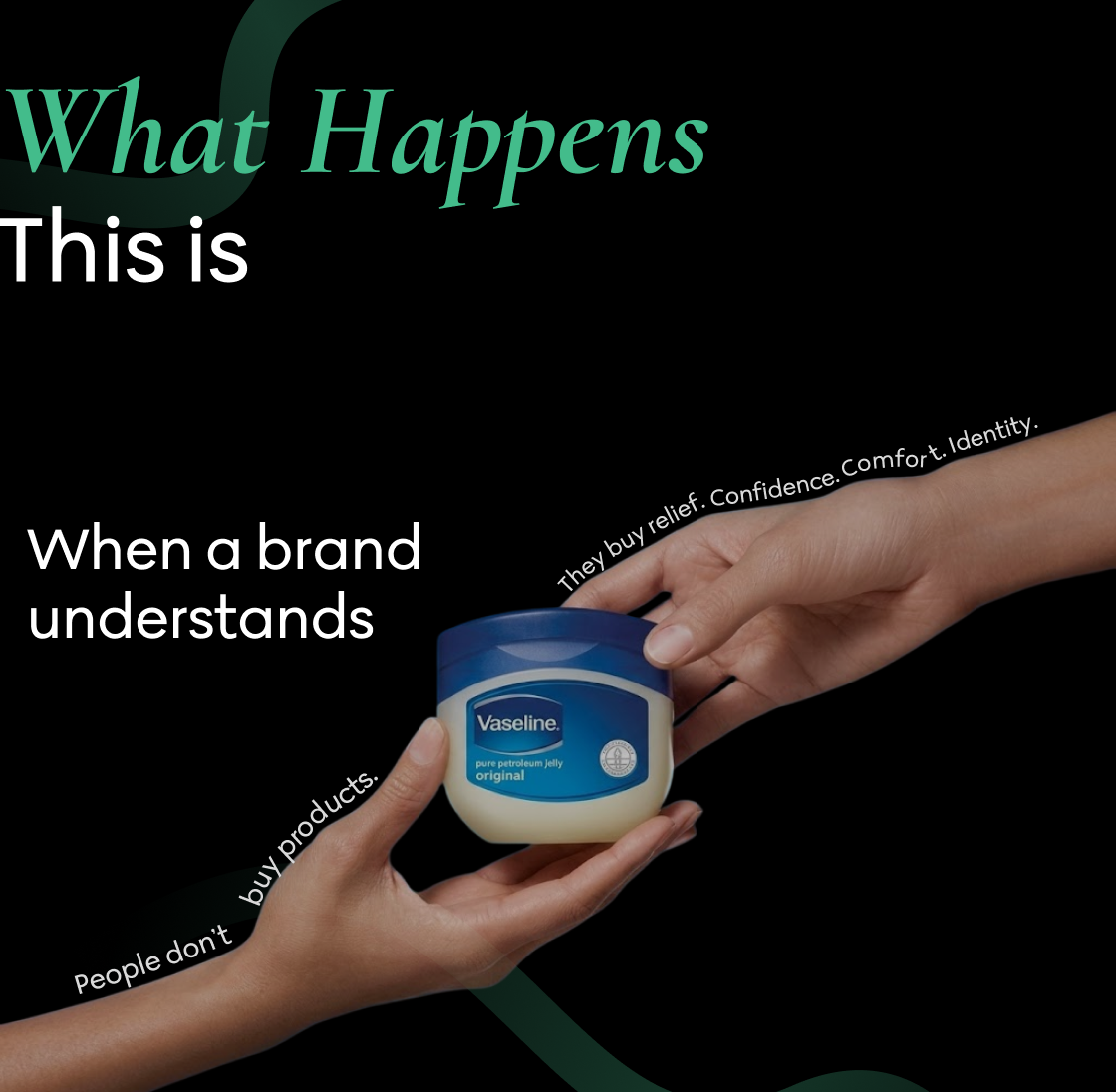
Vaseline's campaign proves that creativity isn't about making ads look beautiful—it's about making ideas easy to understand. By combining emotion with visual storytelling, the brand turned a functional product into an unforgettable message.
At Growth Sailor, we believe every successful campaign starts with one simple question:
“Will people understand the value instantly?”
Because the brands that win aren't always the ones with the best products—they're the ones that communicate their value most effectively.


